How to Stop Hair Loss and Regrow Hair Naturally
Hair loss is one of those things that catches people off guard. You notice a little more on the pillow, a little more in the drain, and before long it is hard to ignore. If you are searching for how to stop hair loss and regrow hair naturally, you are not alone, it affects men and women of all ages, and it rarely arrives with a clear explanation attached. What makes it frustrating is that the internet is full of generic advice: take biotin, try castor oil, massage your scalp. Some of that is genuinely useful. But when it is applied without understanding why the hair is falling in the first place, results are usually disappointing. This guide takes a different approach. Rather than offering a list of tips and hoping something sticks, it starts with the cause, because that is what actually determines which solution will work for you. You will find a thorough breakdown of what causes hair loss, what you can do at home with diet and natural remedies, when lifestyle changes are enough, and when it is worth speaking to a doctor. The goal is to give you a clear, honest picture so you can take action that actually moves the needle.

Dr. Nitin Barde
Dermatologist & Hair Transplant Surgeon
What Causes Hair Loss? Understanding the Root Problem
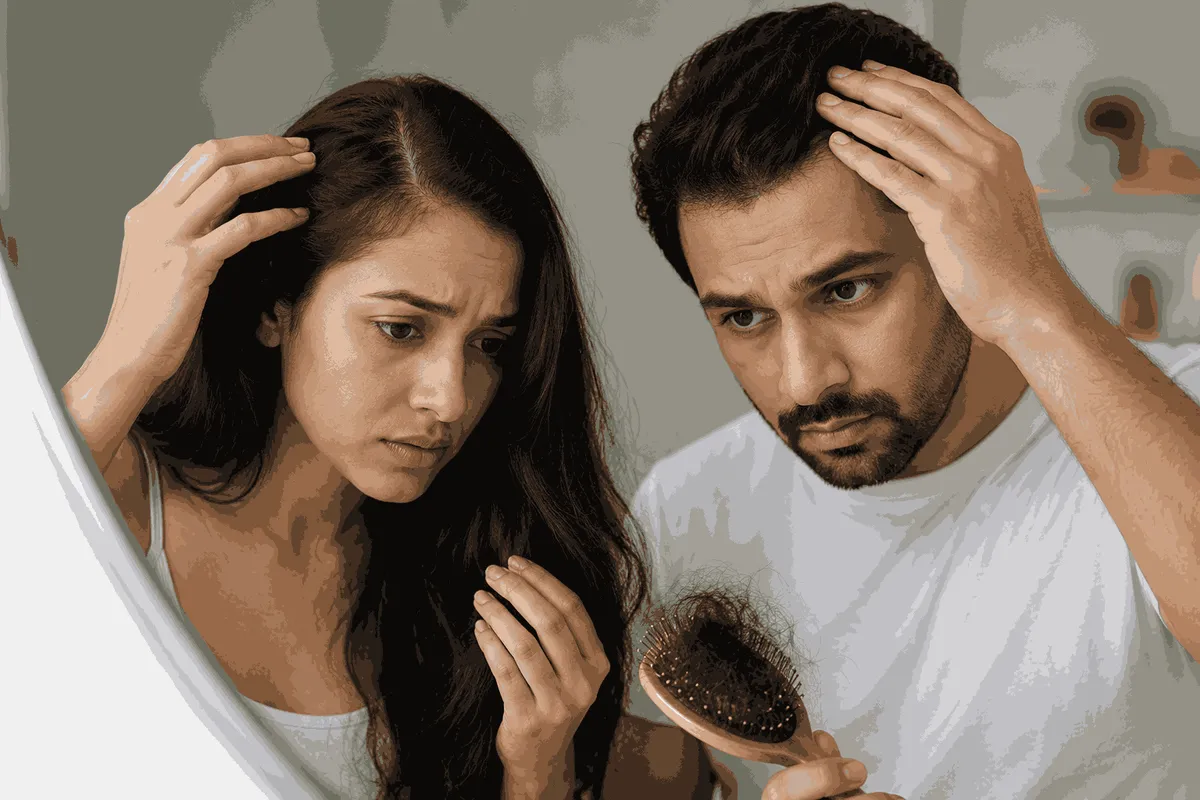
Before getting into solutions, it helps to understand how hair grows. Each strand goes through three phases: a growth phase that lasts two to six years, a short transitional phase, and a resting phase that ends with the hair shedding. At any given time, around 85 to 90 percent of your hair is actively growing. The other 10 to 15 percent are resting and will eventually fall out.
This cycle is normal. Losing 50 to 100 strands per day is part of how healthy hair works. The problem begins when something disrupts the cycle and pushes more follicles into the resting and shedding phase than usual, or when follicles start shrinking and producing thinner, shorter strands over time.
The disruption can come from several directions.
Hormonal Imbalance
Hormones have a direct influence on the hair growth cycle. Conditions that alter androgen levels, estrogen, or thyroid hormones can all trigger significant shedding. This is why hair loss often becomes noticeable during puberty, pregnancy, postpartum recovery, perimenopause, and in people with conditions like PCOS.
Nutritional Deficiency
Hair follicles are among the most metabolically active cells in the body. They need a consistent supply of protein, iron, zinc, biotin, and vitamin D to function properly. When the body is not getting enough of these nutrients through diet or absorption, hair growth is one of the first things that slows down.
Stress
Prolonged physical or emotional stress can push a large number of follicles into the shedding phase simultaneously. This type of hair loss, known as telogen effluvium, usually becomes visible two to three months after the stressful event and can feel alarming because of how quickly it appears.
Genetics
Hereditary hair loss is the most common form in both men and women. In men it typically follows a receding hairline and thinning crown pattern. In women it usually appears as gradual widening of the parting. Genetics determine how sensitive the follicles are to androgens, and this sensitivity tends to be inherited.
Medical Conditions
Thyroid disorders, autoimmune conditions like alopecia areata, scalp infections, and chronic illness can all disrupt hair growth. In these cases, the hair loss is a symptom, and the underlying condition is what needs to be treated.
The reason it matters so much to understand the cause is this: treating symptoms without addressing the root will only ever produce temporary results. Someone losing hair because of low ferritin will not see lasting improvement from rosemary oil alone. Someone with PCOS-related hair loss needs hormonal management alongside any topical or nutritional support.
If you already have a sense of what might be driving your hair loss, there are more targeted guides available. PCOS-related hair loss involves hormonal management alongside nutritional support. If your symptoms point toward the thyroid, a dedicated guide on how to stop thyroid hair loss covers that specifically.
For those in the postpartum period, hair loss after pregnancy is extremely common and usually temporary. You can read more in the guide on how to stop hair loss after pregnancy. If the loss appears to be genetic and progressive, the guide on how to stop genetic hair loss outlines what to expect and what is actually worth trying.
Low iron is one of the most frequently missed causes, particularly in women with heavy periods. The guide on how long iron tablets take to stop hair loss explains the connection and what recovery looks like. For younger readers, there are separate guides on how to stop hair loss in teenage guys and how to stop hair loss in teenage girls that address the specific causes relevant to that age group.
How to Prevent Hair Loss and Strengthen Hair Naturally at Home
Once you understand the cause, you can take focused steps to learn how to stop hair loss and regrow hair naturally and there is a solid foundation of habits that support recovery regardless of which type you have. These are not shortcuts. They are fundamentals that improve the environment in which your follicles have to work.
Scalp Care Basics
The scalp is the soil from which hair grows. A clean, well-circulated scalp gives follicles the best possible conditions to function.
- Wash your hair regularly enough to prevent oil and product build-up, but not so often that you strip the scalp of its natural oils. For most people, every two to three days strikes the right balance.
- Use a gentle, sulphate-free shampoo. Harsh detergents cause scalp irritation over time and can weaken the hair at the root.
- Incorporate a five minute scalp massage into your routine, either dry or with a light oil. Massaging the scalp with firm circular movements increases blood flow to the follicles and can improve nutrient delivery over time.
- Keep the conditioner away from the scalp. Apply it from mid-length to the ends and rinse thoroughly.
Hair Care Mistakes to Avoid
Some everyday habits quietly contribute to hair loss without people realizing it.
- Brushing wet hair causes significant breakage. Use a wide-tooth comb on damp hair and work from the ends upward toward the roots.
- Tight hairstyles, worn repeatedly over time, can damage the follicles along the hairline and temples. This is known as traction alopecia and is reversible if caught early.
- Heat styling without protection weakens the hair shaft. If you use dryers or straighteners regularly, always apply a heat protectant first and keep temperatures moderate.
- Avoid elastic bands that pull and snap. Fabric scrunchies or spiral ties cause far less damage.
Stress Control
Chronic stress is a genuine physiological trigger for hair shedding, not just a factor to note and move on from. Elevated cortisol disrupts hormone balance and the hair growth cycle in measurable ways.
Daily habits that reduce cortisol consistently over time make a real difference. This includes regular physical activity, adequate sleep, reducing screen time in the hour before bed, and basic mindfulness practices like slow breathing or short walks. The key word is consistency. Stress management done occasionally has little effect.
Keeping the Routine Gentle
During a period of hair loss, simplicity is your friend. Fewer products, fewer heat tools, looser styles, and more time between chemical treatments gives recovering follicles a better chance.
Elegance inYour Inbox
Join our curated circle and get 10% OFF on your first visit. Receive medical-grade insights, seasonal trends, and early access.
Best Natural Oils and Remedies to Regrow Hair
Natural remedies are not a substitute for addressing the root cause, but they are a meaningful part of how to stop hair loss and regrow hair naturally, they improve the scalp environment when used consistently. Here are the ones with the most evidence or longest track record behind them.
Oils That Actually Help
Coconut oil is one of the most extensively studied hair oils. Its molecular structure allows it to penetrate the hair shaft rather than simply coating it, which reduces protein loss during washing. It also has antifungal properties that can help keep the scalp balanced. Apply a small amount to the hair and scalp, leave for 30 minutes or overnight, and wash out thoroughly.
Castor oil is thick and rich in ricinoleic acid, a fatty acid with anti-inflammatory properties. It is commonly used to support scalp health and improve moisture at the follicle. Because it is so viscous, mixing it with a lighter carrier oil like jojoba or almond makes it easier to apply and rinse. Use it once or twice a week.
Rosemary oil has become the most talked-about natural option for hair regrowth in recent years, and the research supports the conversation. A well-cited study comparing rosemary oil to 2 percent minoxidil found comparable results in people with androgenetic alopecia after six months of use. Dilute a few drops in a carrier oil or use a shampoo that contains it, and apply directly to the scalp.
Home Remedies Worth Trying
Onion juice is one of the more unpleasant sounding remedies but has some of the better evidence. It is rich in sulfur, which supports keratin production and may stimulate follicles. Apply fresh onion juice to the scalp, leave for 15 to 30 minutes, and wash out well. The smell dissipates after washing. Consistency over several weeks is needed to see results.
Aloe vera has soothing, anti-inflammatory properties that can calm an irritated scalp and reduce the dandruff that sometimes accompanies hair loss. Apply fresh aloe vera gel directly to the scalp, leave for 30 to 60 minutes, and rinse. It works best as a scalp treatment rather than a hair mask.
Fenugreek seeds, soaked overnight and ground into a paste, have been used for centuries to strengthen hair and reduce shedding. They contain compounds that may inhibit the enzyme responsible for converting testosterone into DHT, the hormone that shrinks follicles in androgenetic alopecia. Apply the paste to the scalp, leave for 30 minutes, and rinse.
If you have been consistent with natural remedies for several months and have not seen meaningful improvement, it is worth considering whether professional support is the next step. Advanced treatments like PRP therapy, mesotherapy, and follicular stem cell therapy (FSCT) are designed to complement natural approaches when the follicles need more direct stimulation. The hair treatment options at Radiance Clinic are tailored to individual cases rather than applied generically.
Diet and Nutrition Tips to Stop Hair Fall

Nutrition is the foundation of any plan to stop hair loss and regrow hair naturally. If the body is not getting the raw materials it needs to build hair, no amount of external treatment will fully compensate.
Key Nutrients for Hair Growth
Protein is the most important nutrient for hair because hair itself is made of protein. When protein intake drops, the body prioritizes essential organs and the hair growth cycle slows. Aim to include a quality protein source at every meal: eggs, lentils, chicken, fish, Greek yogurt, paneer, and legumes all count.
Iron, specifically the stored form called ferritin, is the nutrient most commonly found to be deficient in people with hair loss, especially women. Heavy periods, vegetarian and vegan diets, and poor absorption can all deplete ferritin over time. Spinach, lentils, red meat, pumpkin seeds, and tofu are good sources. Always pair plant-based iron with vitamin C to improve absorption.
Biotin supports the production of keratin, the protein that makes up the hair structure. Deficiency is not as common as supplement marketing suggests, but it does occur in people with restricted diets or certain digestive conditions. Eggs, nuts, and seeds are natural sources.
Zinc plays a role in tissue repair, immune function, and follicle health. It is particularly important for people who avoid meat and shellfish, as plant-based diets tend to be lower in absorbable zinc.
Omega-3 fatty acids found in oily fish, flaxseed, and walnuts have anti-inflammatory properties that support a healthy scalp environment. Chronic low-grade scalp inflammation can contribute to follicle miniaturization over time.
It is worth noting that supplementing without knowing your actual levels is rarely effective and occasionally counterproductive. For example, excess biotin without a genuine deficiency does very little, and excess iron can cause other problems. If you suspect low iron is involved in your hair loss, the guide on how iron deficiency causes hair loss explains what to test for and what to expect during recovery.
A dermatologist like Dr. Nitin Barde at Radiance Clinic can run a targeted blood panel that identifies your exact deficiencies, saving months of trial and error with supplements that may not address your actual issue.
Daily Habits That Stop Hair Fall and Speed Up Regrowth

Beyond diet and topical care, the basics of how you live each day have a measurable impact on hair health. These are not dramatic interventions. They are sustainable habits that create the physiological conditions in which hair can grow.
Sleep
The body repairs and regenerates during sleep, and that includes the cells responsible for hair growth. Consistently getting seven to eight hours of sleep supports the hormonal balance that the hair cycle depends on. Disrupted or insufficient sleep raises cortisol, which, as noted earlier, is a direct disruptor of the growth cycle.
Hydration
The hair shaft is roughly 25 percent water. Chronic mild dehydration affects the strength and elasticity of hair and can contribute to dryness and breakage. Drinking adequate water daily is one of the simplest habits with the broadest range of benefits, hair health included.
Exercise
Regular moderate exercise improves circulation, reduces stress hormones, and supports hormonal balance. All of these benefit the scalp and follicles indirectly. You do not need an intensive training programme. Thirty minutes of movement on most days is enough to make a difference over time.
Avoid Unnecessary Damage
- Limit heat styling to two or three times per week at most.
- Avoid chemical treatments like bleaching, perming, or relaxing during a period of active hair loss.
- Smoking constricts blood vessels and reduces circulation to the scalp. It is also associated with premature follicle aging.
Wearing a hat or sun protection on the scalp matters in hot climates where UV damage to the scalp is significant.
When to See a Doctor for Hair Loss
Natural methods and lifestyle changes are genuinely effective for many people. But there are situations where home-based approaches are not sufficient and waiting too long actually reduces the chance of full recovery.
Warning Signs That Need Medical Attention
- Sudden, rapid hair loss over a period of weeks rather than a gradual thinning over months.
- Patchy or circular areas of hair loss, which may indicate alopecia areata, an autoimmune condition requiring specific treatment.
- Hair loss accompanied by other symptoms such as fatigue, unexplained weight changes, irregular periods, or skin changes.
- No meaningful improvement after three to six months of consistent diet, lifestyle, and topical changes.
- Visible scalp inflammation, redness, or persistent itching in the areas of hair loss.
At this stage, expert diagnosis makes a significant difference. A specialist can distinguish between the many types of hair loss, identify the specific cause through testing, and recommend treatments that are appropriate for your situation.
At Radiance Skin and Hair Clinic in Nagpur, Dr. Nitin Barde provides comprehensive hair loss assessments for both men and women. Depending on the diagnosis, treatment options may include platelet-rich plasma (PRP) therapy, mesotherapy, follicular stem cell therapy (FSCT), or a structured dermatology consultation to address an underlying medical condition. These treatments are not one-size-fits-all. They are selected based on the individual's cause, pattern, and stage of hair loss.
When Natural Remedies Are Not Enough: Follicular Stem Cell Therapy (FSCT)
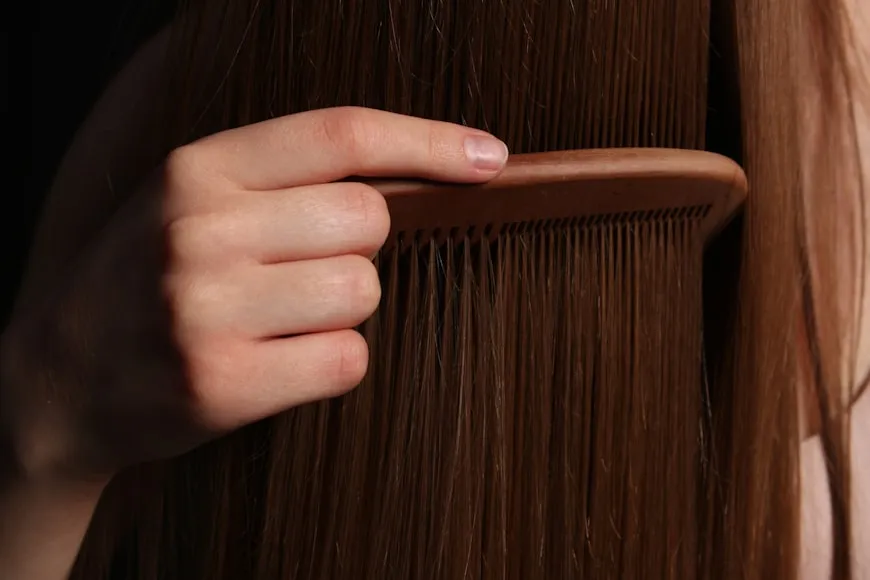
If you have tried the lifestyle changes, the right supplements, and topical treatments like minoxidil and your hair loss is still progressing there is a reason, and there is a next step.
Follicular Stem Cell Therapy (FSCT) is an advanced, non-surgical hair restoration treatment that works at the root of the problem literally. It uses stem cells derived from your own hair follicles to reactivate dormant follicles, stimulate new growth, and slow the progressive follicle miniaturisation that causes ongoing hair loss.
Why FSCT is different from PRP or minoxidil:
- Minoxidil prolongs the growth phase but does not address follicle-level damage
- PRP uses growth factors to stimulate follicle activity
- FSCT directly targets and reactivates follicles that have become dormant making it uniquely effective for cases where other treatments have plateaued
Whom is FSCT suited for?
- People with chronic or progressive hair loss that has not responded adequately to supplements or topical treatments
- Those with visible thinning or reduced density at the crown, parting, or temples
- Anyone who wants to preserve follicles before they become permanently dormant
FSCT is available at Radiance Skin Antiaging and Hair Transplant Clinic under the guidance of Dr. Nitin Barde. A consultation includes a detailed scalp assessment and blood work to confirm whether you are a suitable candidate before any treatment is recommended.
Frequently Asked Questions About Hair Loss
Can hair regrow naturally after hair loss?
In many cases, yes. Hair loss caused by nutritional deficiencies, stress, hormonal shifts, or certain medical conditions is often reversible once the underlying issue is resolved. The key is identifying the cause early and addressing it directly. Follicles that have been inactive for a short period are far more likely to recover than those that have been dormant for years.
How long does it take to see results from natural treatments?
Hair grows at an average of about one centimeter per month, so changes take time to become visible. Most people who make consistent dietary and lifestyle improvements start to notice reduced shedding within six to eight weeks. Visible new growth typically takes three to six months. Patience and consistency are genuinely required here, not optional extras.
What is the fastest way to stop hair fall?
The fastest effective approach is to identify and treat the root cause. If deficiency is involved, correcting it through targeted supplementation and diet can reduce shedding within weeks. If stress is the primary driver, reducing it while supporting the body nutritionally tends to produce quicker results than topical treatments alone. There is no single fastest solution because the answer depends on the cause.
What treatments does Radiance Clinic offer for hair loss?
Radiance Clinic in Nagpur offers a range of evidence-based treatments including PRP therapy, mesotherapy, follicular stem cell therapy (FSCT), and dermatology consultations for medically driven hair loss. All treatment plans begin with a thorough assessment of the cause. You can see a full overview of available treatments on the Radiance Clinic hair treatment page.
Does hair loss from stress grow back?
Usually yes. Stress-related hair loss, or telogen effluvium, is one of the most reversible types. Once the stressor is removed or managed and the body has time to recover, the hair cycle normalizes and regrowth begins. It typically takes three to six months for noticeable improvement after the stress has been addressed. Supporting recovery with good nutrition significantly speeds up the process.
How to stop hair loss and regrow hair naturally?
The most effective approach to stop hair loss and regrow hair naturally combines three things: identifying the root cause (whether that is nutrition, hormones, stress, or genetics), correcting any deficiencies through diet and targeted supplementation, and maintaining a consistent scalp care routine with proven oils like rosemary. Results typically take three to six months of consistent effort.
Take Control of Hair Loss Early
The single most important thing you can do for your hair is identify what is actually causing it to fall. Everything else, the oils, the supplements, the scalp massages, works best when it is applied in the context of a known cause and a clear plan.
Guessing is expensive in both money and time. People spend months cycling through supplements and products that do not address their actual deficiency or hormonal issue, and then conclude that nothing works. In most cases, something would work, if it were matched to the right cause.
Early action also matters because follicles that have been inactive for a short time are far more responsive to treatment than those that have been dormant for years. Acting sooner preserves options that may not be available later.
At Radiance Skin and Hair Clinic in Nagpur, the approach begins with identifying exactly what is driving the hair loss, whether that is nutritional, hormonal, genetic, or a combination. Dr. Nitin Barde and the team provide a thorough assessment that gives you a clear picture rather than a generic recommendation.
Whether you are at the early stages of noticing increased shedding or have been dealing with thinning for some time, the hair loss treatment services at Radiance Clinic are designed to meet you where you are and build a plan that is specific to your situation.
Conclusion
Learning how to stop hair loss and regrow hair naturally is entirely possible, especially when the approach starts with identifying the real cause rather than chasing generic fixes. The majority of people who experience hair loss can achieve meaningful recovery with the right combination of nutritional support, lifestyle adjustment, and where needed, professional treatment.
The approach that works is almost always the one that starts with the right question: why is this happening? Once that is answered, the path forward becomes much clearer.
Start with the basics. Eat enough protein and iron. Manage stress consistently. Be gentle with your hair. Give it time. And if several months of genuine effort are not producing results, do not wait much longer before getting a proper evaluation.
Your follicles need the right conditions to do their job. When you provide those conditions, most of the time they will.
Not Sure What’s Causing Your Hair Loss?
The earlier you identify the cause, the easier it is to treat.
Get a personalized diagnosis and expert guidance tailored to your condition.
Book a consultation with Radiance Clinic to get 10% off with promocode HAIRLOSS10